What is Enucleation?
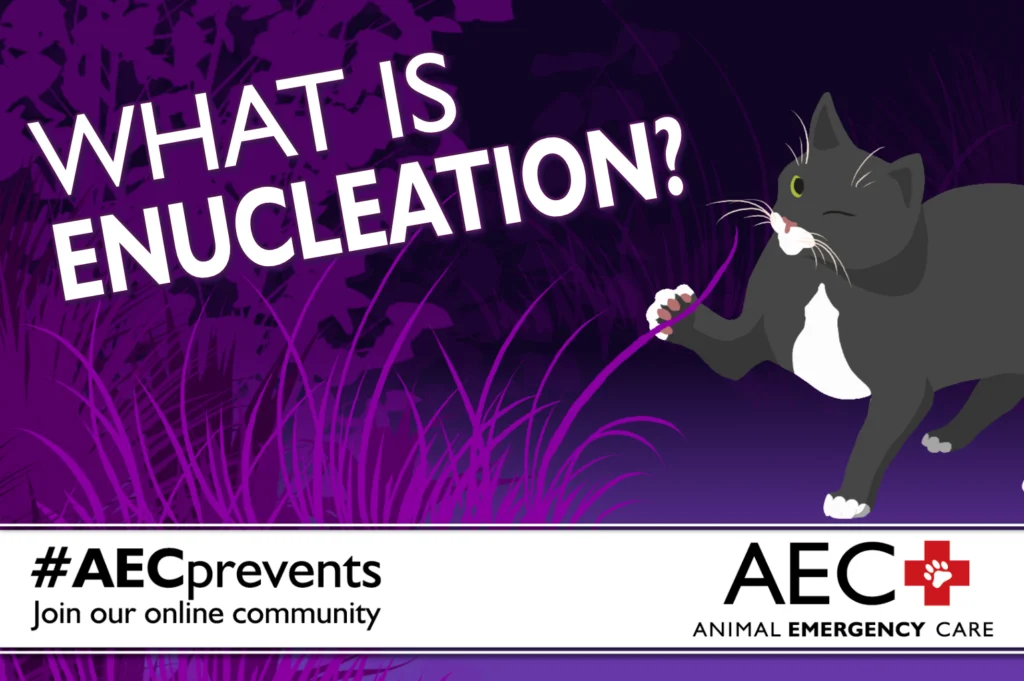
Our eyes are just as fragile as those of our dogs and cats. Most pet owners can easily imagine how eye pain can degrade quality of life. The goals in treating eye damage start with preserving vision, and failing that, to prevent pain or further damage. Enucleation is a common and well-understood but irreversible surgical option for protecting a pet’s comfort when vision is no longer possible. The team at Animal Emergency Care wants you to know that pets can live active, joyful lives even with a permanent wink.
Juneteenth and Advancing Racial Equity in Veterinary Medicine
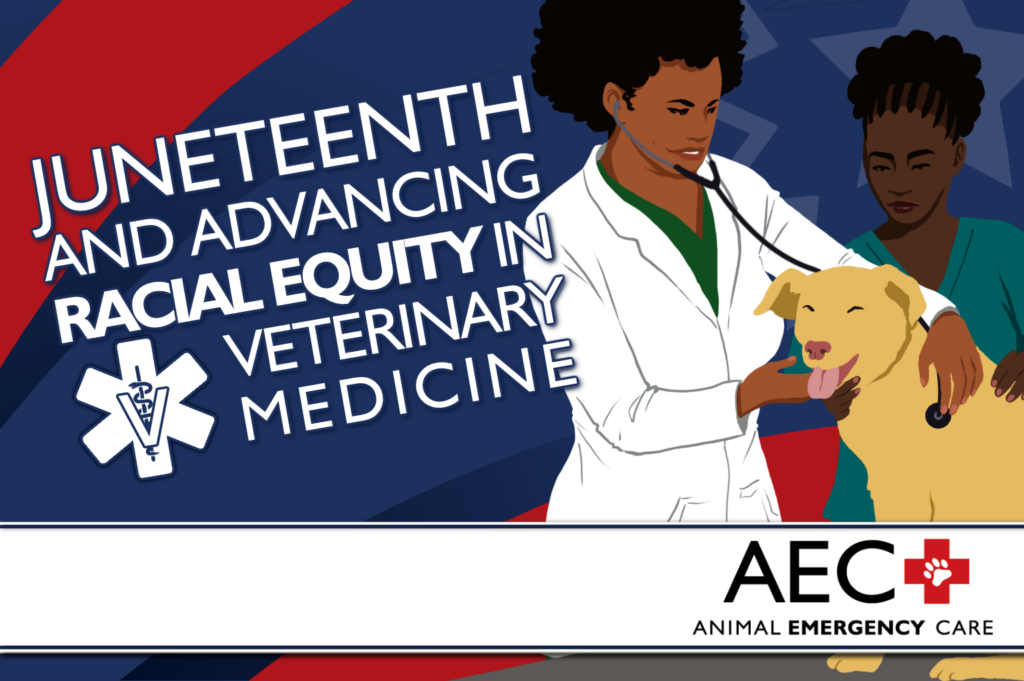
Happy Freedom Day! In celebration of Black resilience and joy, as well as recognition of our collective responsibility to address systemic barriers to inclusion in our profession, the AEC team invites our community to learn more about the history of Juneteenth and what we can do to help advance racial equity and remove barriers to […]
Pet Poison Prevention: Understanding Acetaminophen Toxicosis in Pets
What is acetaminophen toxicosis? Acetaminophen, also known as paracetamol or Tylenol, is one of the most common analgesics on the market. It’s available over-the-counter to treat mild pain and fever in humans and is found in many homes. Acetaminophen comes in several forms, including pills (tablets and gel caps) and liquid. It may even be […]
Bone Appetit: 5 Common Pet Nutrition Questions Answered
As with people, a balanced diet is a key component of your pet’s overall health and wellness. Pets also have specific requirements to ensure their organs develop and function properly. These requirements vary among species and help ensure pets have adequate energy and maintain a healthy weight throughout their lifetime. Choosing the right diet and […]
5 Tips to Keep Your Pet Safe from a House Fire

Home emergencies like a house fire can strike at a moment’s notice, and taking time to prepare yourself and your pet will decrease stress and ensure a quick and safe response. More than 500,000 pets are affected in residential fires each year and, sadly, more than 40,000 pets die during these events, primarily from smoke […]
5 Ways to Strengthen the Bond with Your Pet
Our pets are constant companions, and a source of joy, support, and comfort. More than half of all U.S. households have at least one dog or cat and many have multiple pets. There is a growing societal awareness of the human-animal bond and pets are taking on larger roles including service animals, therapy support, and disease detection such as seizures in humans. Studies have shown that pet owners stay healthier and enjoy an overall higher quality of life than those without pets. The human-animal bond is a mutually beneficial relationship of trust and respect and the reason your pet showers you with slobbery kisses and a wagging tail whenever you return home. Our Animal Emergency Care team knows that your pets are family and we have compiled five ways to build on and strengthen the special bond you share with your four-legged companion.
Understanding and Treating Burns on Your Pet
Our pets are family, and that bond often means they are glued to their pet owner’s side during household activities. Pets will often stand guard while you complete household chores, especially those that involve cooking or cleaning up following mealtime. Cars particularly enjoy laundry chores and will often assist by curling up in the warm laundry basket of clothes that need folding. Although having your pet nearby can be comforting, their curious nature can get them into trouble or injured. Many household appliances and chemicals can injure or burn your pet, and these injuries are not always immediately obvious. Additionally, pets who have been involved in house fires or are exposed to smoke are at risk for burn injuries. Our Animal Emergency Care team wants to ensure pet owners are ready to respond if their pet is burned, and we describe burn types, signs, treatment, and prevention.
5 Pawsitive Benefits of Keeping Your Pet Active

Many pet owners enjoy couch cuddle sessions and afternoon naps with their favorite four-legged companion. In fact, spending quality time with your pet every day is a vital component of responsible pet ownership. It can be challenging to schedule daily trips to the dog park or multiple play sessions with your feline companion, especially when you have a long to-do list of household chores or work obligations. However, incorporating daily activity is an essential part of your pet’s overall health and wellness. Before beginning a daily routine, have your pet checked out by your family veterinarian to ensure they are pain free and have no exercise limitations. Keeping your pet active throughout all of their life stages offers numerous physical and mental benefits, and our Animal Emergency Care team describes these five pawsitive effects.
Something’s Fishy: Salmon Poisoning in Pets
Summer is quickly approaching and many pet owners will be enjoying outdoor hiking and fishing adventures with their favorite canine companions. Pets are family and including them on outdoor expeditions is a great way to mentally and physically stimulate your pet, as well as strengthen your bond. However, exposure to the elements can be dangerous to pets especially if they eat raw fish or other non-pet food items. Our Animal Emergency Care team wants to ensure your pets are safe while enjoying nature with you so we describe the signs, treatment, and prevention of salmon poisoning, a dangerous infection.
Pet Poison Prevention: Understanding Flea and Tick Preventive Toxicity in Cats
The warm summer months are often accompanied by an abundance of pesky insects and pests that hitchhike on you and your pet. Fleas and ticks can transmit dangerous diseases to your pets, and itching and scratching pets are also at risk for secondary skin infections—and sleepless nights for pet owners. However, choosing a flea and […]