
No Bones About It: 5 Tips For A Safe Pets-Giving
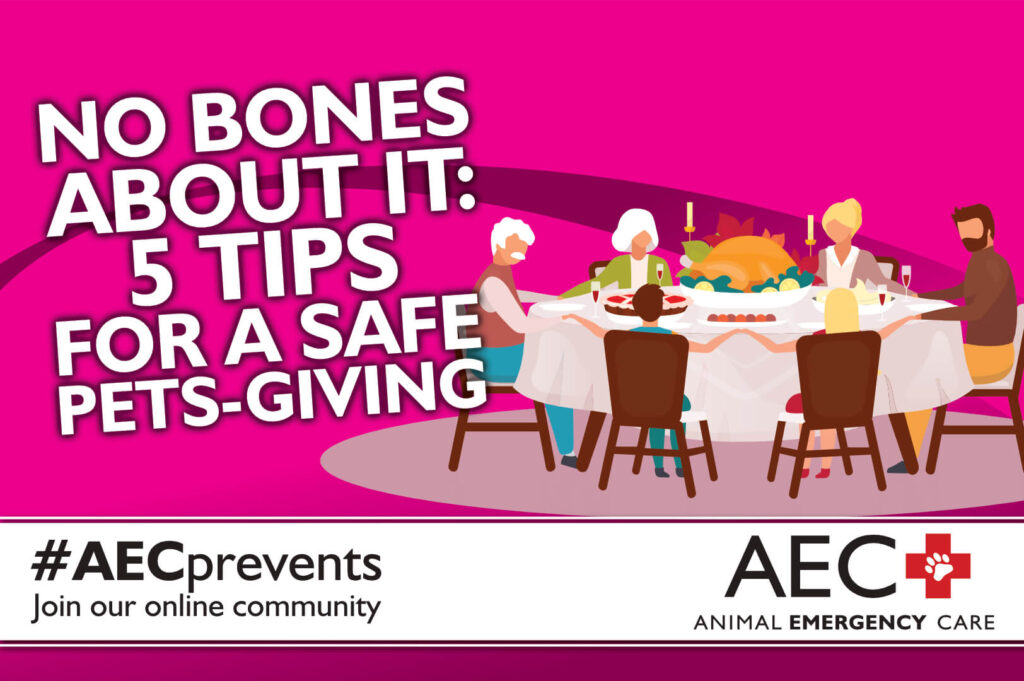
The dropping temperatures and pumpkin spice-filled air let us know that the largest meal of the year is quickly approaching. Many people start their Thanksgiving preparations weeks in advance to ensure they are ready for the marathon cooking event and holiday celebrations would not be complete without including their four-legged companions. However, cooking chaos and family gatherings can be dangerous to curious noses and investigating paws. Our Animal Emergency Care team wants to ensure your pet does not get into trouble during the Thanksgiving celebrations, so follow these five safety tips.
The Trickiness of Treats: Understanding Pet Pancreatitis
Seasonal sweets and treats are upon us and as the temperatures drop, a wide selection of holiday foods appears to celebrate the holiday season. Many pet owners want to ensure their four-legged companions are included in family celebrations. It is not uncommon for pets to have Halloween costumes, festive collars, or celebratory snacks or meals. However, sharing a small amount of a rich or fatty food with your pet can have devastating consequences for their health. Our Animal Emergency Care team wants to ensure you and your pet have a merry and bright holiday season, and we describe pancreatitis signs, treatment, and prevention.
The Sugar Crash: Understanding Pet Diabetes
It is not uncommon for pets to mimic their owner’s expressions, moods, or love for the same delicious treats. Our pets are family and naturally we want to share all of life’s joys including sweet treats with them. However, too much of a good thing can be dangerous for pets, and can increase their risk of developing health problems such as heart disease, pancreatitis, obesity, or diabetes. Our Animal Emergency Care team describes diabetes signs, treatment, and prevention for your pet.
The Heat is On: Protecting Your Pet from Heat Stroke
The approach of summer brings a spike in temperatures, and the warmer weather tempts many pet owners to spend more time outside with their pets. However, taking your four-legged friend for a steamy run outside or a quick car trip to the store can put them at risk of heat stroke. Pets are not able to remove their fur coat and like extreme cold temperatures, hot weather exposure can also be dangerous. Our Animal Emergency Care team wants to ensure your pets stay cool this summer, and we describe heat stroke signs, treatment, and prevention in your pets.
Pet Poison Prevention: Understanding Chocolate Toxicity in Pets
The delicious aroma of chocolate can be difficult for many people to resist and pets are no different. However, chocolate can be toxic to pets and may cause death in some cases. It is not uncommon for pets to sneak some of this sweet treat. In fact, in 2020 chocolate was the fourth most common pet toxin reported by the ASPCA Animal Poison Control Center with approximately 76 cases reported daily. OurAnimal Emergency Care team wants pet owners to understand the dangers of chocolate and what to do if your pet accidentally becomes poisoned.
Too Much of a Good Thing: The Pet Obesity Problem

It can be difficult for pet owners to resist the adoring eyes of their four-legged companions and not shower them with treats. However, offering your pet too many treats or overfilling their food bowl can be dangerous for their overall health and wellness. Pet obesity is an epidemic, with more than 50% percent of dogs and cats in the United States obese or overweight. Pets who are overweight or obese have an increased risk for numerous health problems that may decrease their life expectancy and quality of life. Fortunately, many weight-related health issues in pets can be alleviated with proper weight management. Our Animal Emergency Care team describes obesity signs, associated diseases, and ways to protect your pet from becoming an obesity statistic.
5 Common Painful Conditions in Pets
Like people, pets can experience pain from a variety of medical problems. However, most pets are skilled at masking signs of illness or discomfort, and it can be challenging for pet owners to know when their four-legged companions need help. September is Animal Pain Awareness Month and the perfect time to bring your pet in for a veterinary examination to determine if they are experiencing any pain. Recognizing pain signs in your pet may be easier for obvious injuries such as a broken leg. However, pets can suffer from many painful conditions that may not be immediately apparent. Our Animal Emergency Care team describes five common painful conditions in pets and ways to recognize the signs.
Understanding 4 Types of Pain in Your Pet

Pets, like people, thrive with a consistent daily routine, proper nutrition, regular exercise, and preventive medical care. The human-animal bond is a vital part of caring for a pet, and it can be heartbreaking if you suspect your pet is experiencing pain. Recognizing signs of pain can be challenging because pets are skilled at hiding illness, injury, or other painful problems. Understanding your pet’s type of pain is the first step toward helping alleviate their discomfort. Our Animal Emergency Care team describes the four common pet pain types and how to recognize the signs.
Canine Hepatitis: Infectious Liver Disease in Dogs
Advances in veterinary medicine have resulted in your pets living longer, healthier lives. Additionally, worldwide pet vaccination programs have vastly decreased your dog’s chances of contracting dangerous infectious diseases, which can be deadly. During your dog’s puppyhood, your veterinarian will recommend a series of core vaccinations, to ensure their immune system can fight common dog diseases. Then, your canine companion must continue to receive booster vaccinations throughout their lifetime to ensure they remain healthy and protected into their grey muzzle years.
Canine Influenza: Nothing to Sneeze At
Caring for your canine companion, which includes regular veterinary examinations, parasite control, proper nutrition, and regular exercise, is no light responsibility. Vaccinations are also a critical component of your pet’s overall health and wellness routine, and the safest, most cost effective way to protect your pet from common dog diseases. Your family veterinarian has likely vaccinated your dog with core vaccinations including canine parvovirus and rabies, but non-core or lifestyle vaccinations such as the canine influenza virus (CIV) vaccine may be essential for your pet’s protection. Dogs who frequent boarding facilities or crowded dog parks may have an increased risk for CIV infection. Our Animal Emergency Care team wants to ensure your dog is protected from this dangerously contagious virus. We describe signs, treatment, and prevention.