
What is Enucleation?
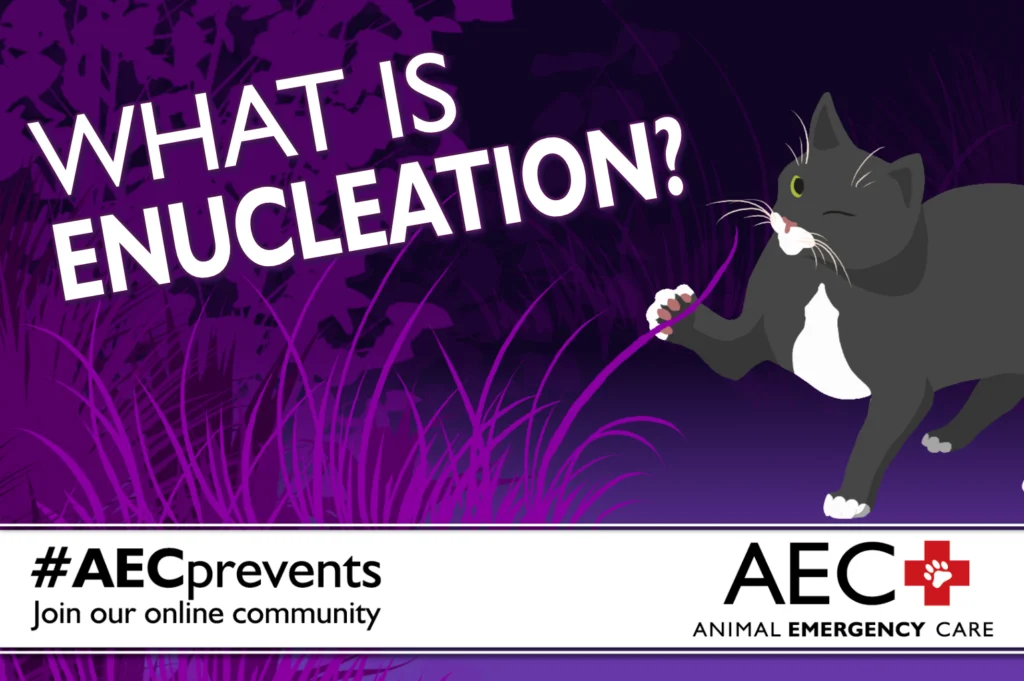
Our eyes are just as fragile as those of our dogs and cats. Most pet owners can easily imagine how eye pain can degrade quality of life. The goals in treating eye damage start with preserving vision, and failing that, to prevent pain or further damage. Enucleation is a common and well-understood but irreversible surgical option for protecting a pet’s comfort when vision is no longer possible. The team at Animal Emergency Care wants you to know that pets can live active, joyful lives even with a permanent wink.
What is a SNAP® test?
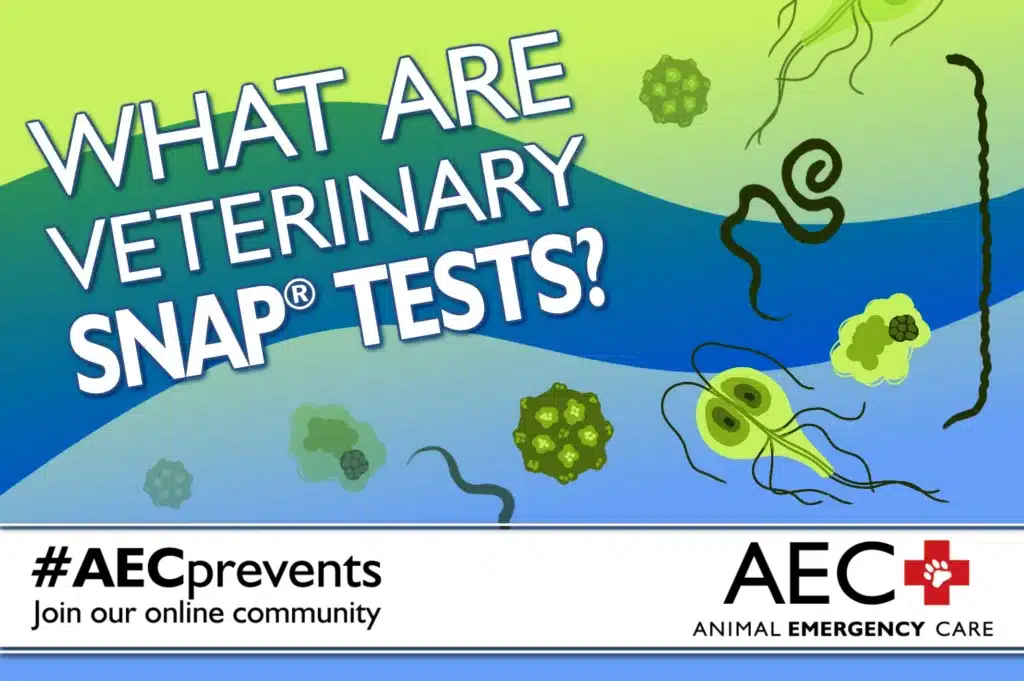
Our pets talk to us in their own ways, but unfortunately, we cannot rely on them to explain if they feel unwell. Veterinary personnel use multiple diagnostic methods to get the important health information a pet cannot say in words. What is a SNAP test? Rapid screenings like SNAP tests can be done in the […]
Happy Pawlidays: 5 Holiday Safety Tips for Your Pet
The holiday season is a special time with friends and family including your four-legged companions. The dropping temperatures, twinkling lights, and crackling fires provide a festive atmosphere for cozy celebrations. Holiday festivities are extra special when shared with your pet but many traditions and meals can be dangerous for curious furry pals. Many holiday treats such as chocolate sweets and marinated meats are the culprit in unexpected trips to the emergency veterinarian. Avoid a pawliday disaster by following these five safety tips from our Animal Emergency Care team.
Happy Pawlidays: Five Pet-Safe Gift Ideas
Holiday celebrations are in full force and the hustle and bustle of the season includes family meals and marathon shopping sessions. However, the season of giving is not just for humans anymore. According to pet retailer Zulily more than 50 percent of Millennial pet owners purchase monthly gifts for their pets. Our pets are family and we naturally want to include them in our celebrations and gift-giving festivities. The plethora of pet influencers and online stores with their endless gift recommendations can be overwhelming. So our Animal Emergency Care team has chosen some of our favorite gift categories to ensure your four-legged companions have a safe and fun pawliday season.
A Tick-Ing Time Bomb: Lyme Disease and Your Pet
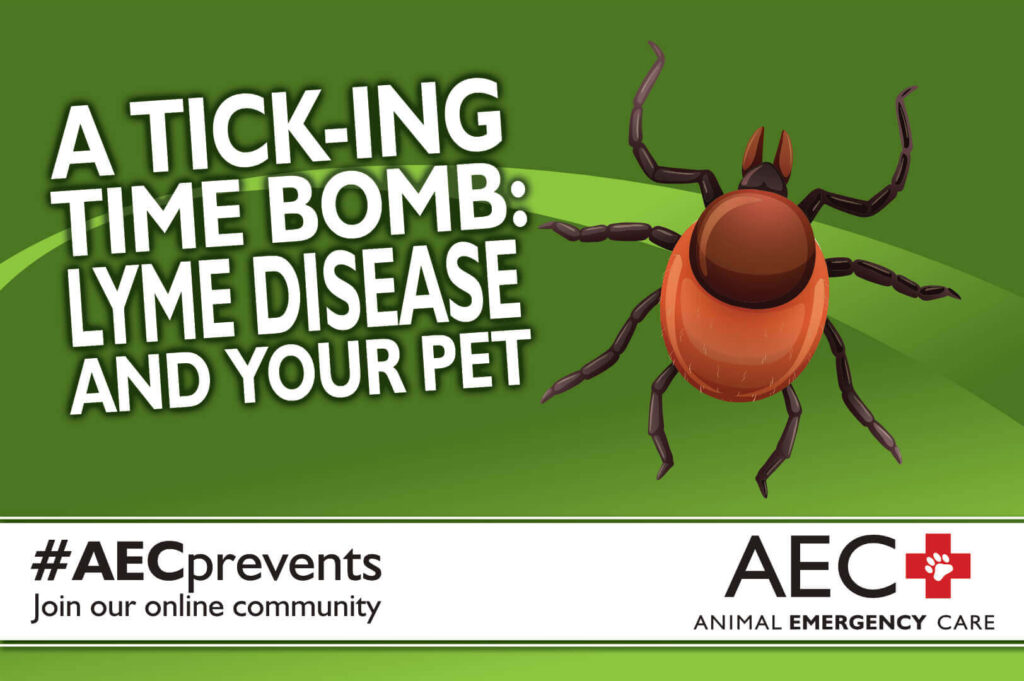
Many pet owners enjoy traveling or spending time outdoors with their four-legged companion during the warmer months. Outdoor adventures and hikes are great for bonding with your pet, and providing their daily exercise. Ensuring your pet is protected from the elements and dangerous infections that may be lurking in the great outdoors is critical. Lyme disease is a common illness present throughout the United States. Our Animal Emergency Care team wants to ensure you are able to recognize the signs, and that you know how to protect your pet from this potentially debilitating and painful disease.
Pet Poison Prevention: Understanding Marijuana Toxicity in Pets

Many pet owners are familiar with the recreational drug marijuana which is also referred to as weed, pot, or reefer. Marijuana has become more widely legal across the United States over the past several years, and marijuana toxicity has become a more common problem in pets because of the drug’s increased availability and popularity. In fact, in 2019, the Pet Poison Helpline reported a 765% increase in calls related to pet marijuana ingestion from the previous year. Our Animal Emergency Care team wants you to recognize marijuana toxicity signs in your pet and to be prepared if your pet accidentally becomes poisoned.
Pet Sitter’s Guide to Veterinary Emergencies
Most pets will experience a veterinary emergency in their lifetime. Pet accidents or emergencies can occur at any time, and a quick response will ensure a more positive outcome. Preparation and understanding when a pet needs emergency care is critical to ensure their best chance of recovery. Pet owners bestow a huge responsibility on pet sitters when entrusting them with the care of their pet family members, and pet sitters also must always be prepared for veterinary emergencies. Our Animal Emergency Care team has compiled a guide for pet sitters to ensure they are ready to respond if faced with a veterinary emergency.
Rabies 101: Vaccination is Critical to Protect Your Pet
Rabies has always been one of the most feared infections in the animal world. Many are familiar with the story of Old Yeller and the beloved dog’s sad demise after rabies exposure. Great strides have been made since then, and vaccination has mostly eliminated the fear of losing a beloved pet to rabies. However, more than 50 dogs and 250 cats will die each year from rabies in the U.S. Our Animal Emergency Care team wants to ensure your pets are protected against this dangerous virus.
When Furry Friends Get Frosty: Managing Frostbite in Pets
As the temperatures continue to drop during the winter months, humans and their pets are more at risk for temperature-related illness and problems. Like their owners, animals are susceptible to frostbite with prolonged exposure to frigid temperatures, especially below 32 degrees. Our Animal Emergency Care team wants to ensure that your pet avoids this painful medical condition with the following information about frostbite.
Being Cold is Not Cool: Understanding Hypothermia in Pets
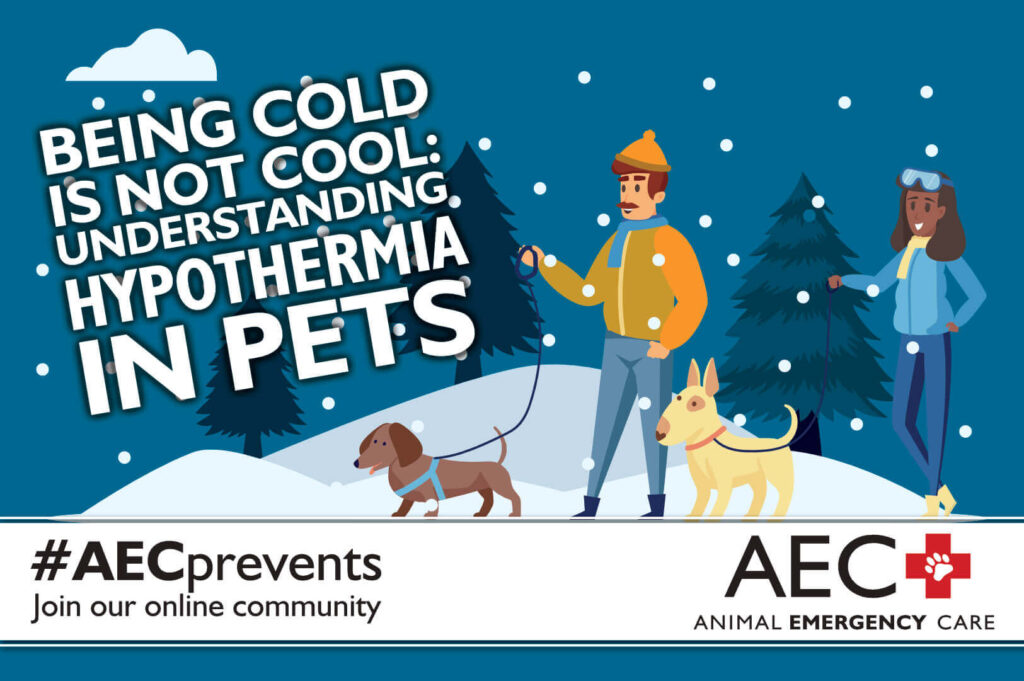
Winter has arrived, and the chilly temperatures, freezing rain, and snow can make summer seem a lifetime away. Cozy sweaters, warm fires, and snowmen can bring joy to the winter months, especially when we include our four-legged family members. However, long-term exposure to cold can be dangerous for pets and lead to many health problems or death in severe cases. Ensure your pets stay warm this winter to avoid hypothermia and an unplanned emergency visit with our Animal Emergency Care team.