
Zoonosis and Your Pet: A Dangerous Combination
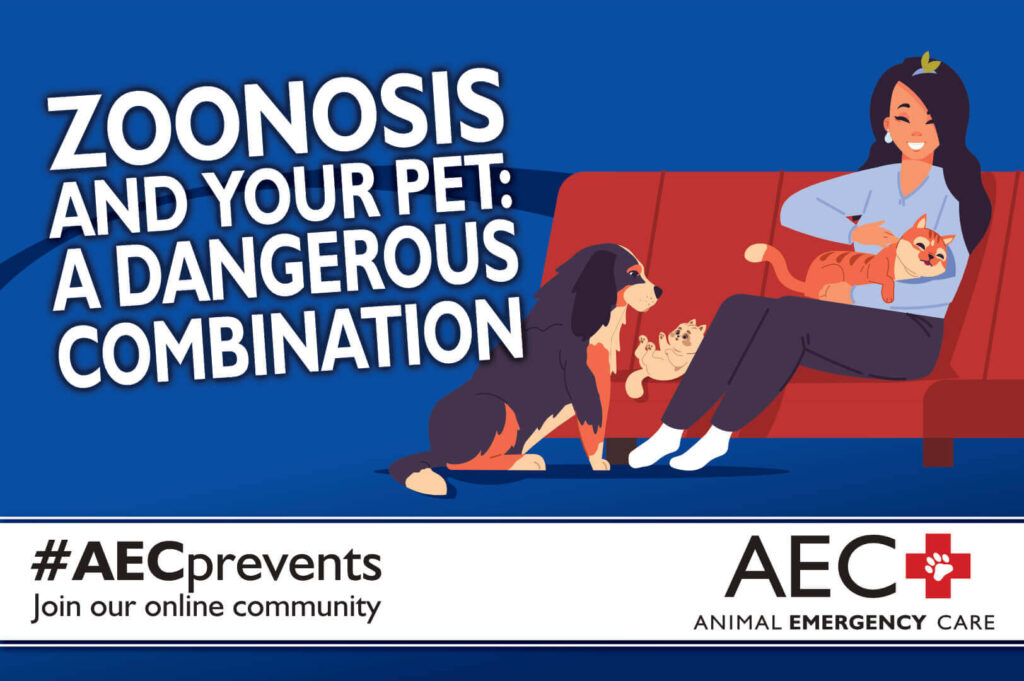
Pet owners enjoy sharing special time with their pets including couch cuddles, slobbery kisses, mealtime, and outdoor adventures. However, some of these activities could result in disease spread in people who do not take precautions or pets who do not receive proper preventive care. Zoonotic diseases are diseases that can be spread from people to pets, or vice versa, and can be deadly in severe cases. Fortunately, many preventive measures are available to ensure you and your pets are protected. Our Animal Emergency Care team describes zoonoses basics so that you understand disease types and risks and ways to prevent illness.
Tell Me Where It Hurts: 5 Signs Your Pet May Be in Pain
Our four-legged companions are great communicators. With just a look or a subtle drool, they are able to let us know exactly what they want especially when it is meal or snack time. However, for all of our pets’ amazing forms of communication, they cannot always tell us where and when they hurt. Many pets, especially cats, are skilled at masking signs of pain or discomfort which makes it challenging to know when they are suffering. Our Animal Emergency Care team has five common signs that could be a clue your pet is experiencing pain.
Pain Relief 101: A Pet Owner’s Guide to Pet Pain Medications
Like people, pets can experience pain for a variety of reasons, and uncontrolled pain can lead to an increased release of stress hormones and delayed healing in some cases. Additionally, pets who are experiencing a chronic pain ailment such as arthritis have an increased risk for behavior problems and a decreased quality of life. It may be tempting to reach for an over the counter (OTC) human medication to relieve your pet’s pain. However, many OTC medications are dangerous to pets, especially cats, because they metabolize most medications differently than people. Bring your pet to your family veterinarian or our Animal Emergency Care team if you suspect they are experiencing any pain. Your veterinarian will perform a thorough physical examination, and several blood tests may be recommended to determine which pain medications will be the safest and most effective against your pet’s pain. Pets with underlying medical conditions such as liver or kidney disease cannot take certain pain medications, so regular veterinary checkups are critical for proper pain management. We review common types of pain relief available for your pet.
What to Expect at the Emergency Vet: 5 Common Pet Owner Questions Answered
An illness or accident can happen with your pet at any time, and it can be stressful and frightening to see them in pain. Your pet is family and making decisions can be challenging when their health is concerned. However, responding quickly and calmly to a pet emergency is your best insurance for a positive outcome. Pet emergencies such as being hit by a car or ingesting a toxin require immediate veterinary care, but most family veterinarians are not available during evening hours. Fortunately, our Animal Emergency Care team is available 365 days a year, 24 hours a day. We understand the stress pet owners face with an injured or sick pet, and we have answers to some common questions about what to expect if your pet requires a veterinary emergency hospital visit.